Furniture Pick-Up in Barbican
Reliable local furniture removal for homes, flats, offices, and managed properties

If you are looking for furniture pick-up in Barbican, you are probably dealing with one of a few common situations: a sofa that no longer fits your space, a bed frame that has been replaced, office desks waiting to be cleared, or unwanted bulky items that cannot be left out with ordinary waste. In a busy central London location like Barbican, furniture removal is rarely simple. Access can be tight, lifts may be shared, corridors can be narrow, and parking is often limited. That is exactly why a local, practical service matters.
Our furniture collection service is designed for people who want an efficient, straightforward way to get rid of large items without the hassle of renting a van, moving heavy pieces on their own, or trying to work around building restrictions. Whether you live in one of the residential towers, manage a commercial unit, or need a single item taken away from a nearby office or apartment, a properly planned pick-up can save time, stress, and disruption.
Barbican has a very particular mix of properties and movement patterns. Some homes have lift access but strict loading rules, while others require careful use of stairs, communal routes, or service entrances. Offices, creative studios, and managed buildings also tend to have timing requirements that must be respected. A local furniture pick-up in Barbican is helpful because the team understands these practical issues and can plan around them in a way that works for residents, tenants, landlords, and facilities staff.
What furniture pick-up in Barbican can include

Furniture collection is not limited to one type of item. Many customers book a pick-up for just one bulky piece, while others need several items removed at the same visit. The service can usually be arranged for domestic, office, and light commercial furniture, provided the items can be safely lifted, carried, and transported without causing damage to the property.
Typical items requested for removal include:
- Sofas, armchairs, and recliners
- Beds, mattresses, bed frames, and headboards
- Wardrobes, chests of drawers, and bedside units
- Dining tables, chairs, and sideboards
- Desks, office chairs, filing cabinets, and meeting tables
- Bookcases, storage units, shelving, and display furniture
- Outdoor furniture, depending on access and condition
Some people also need help clearing mixed loads that include furniture plus other household items. For example, a landlord preparing a flat for new tenants may need old wardrobes, broken chairs, and a few unwanted items cleared from cupboards at the same time. In an office setting, a refurb or downsizing project might involve desks, task chairs, and surplus storage units that need removing in one organised visit.
Important note: if a piece is very heavy, built into the property, contaminated, or too large to move safely, the team may need to assess the best method before confirming the collection. That is one reason it helps to describe the items accurately when requesting a quote.
Why local customers in Barbican choose a furniture removal service
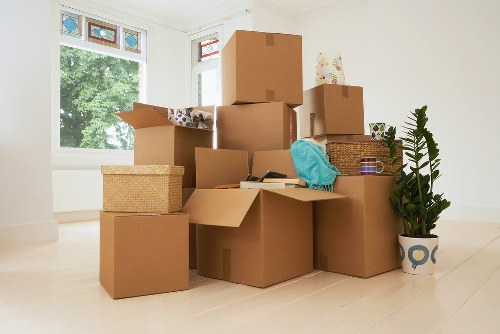
People often try to manage furniture disposal themselves, only to discover that the practical difficulties are greater than expected. In Barbican, those difficulties can be amplified by urban access patterns, building rules, and busy daily traffic. A professional collection service is valuable because it takes on the heavy lifting and the logistics at the same time.
For many customers, the biggest benefit is convenience. You do not need to borrow a van, recruit friends to help, or work out where to take a bulky item once it has been loaded. The furniture is collected from your property, handled carefully, and removed in a planned way. That is particularly useful for residents with limited time, mobility concerns, or no practical storage space while waiting to dispose of items.
Another important reason is peace of mind. Moving large furniture through communal areas can be risky if not done carefully. Damage to walls, floors, lifts, and door frames is a common concern in managed buildings. A reliable Barbican furniture pick-up service is focused on reducing that risk by using the right tools, planning the route, and managing the removal efficiently from start to finish.
How the service works

The process is designed to be simple, even if your situation is not. Most customers want to know how quickly the item can be removed, what information is needed, and what will happen on the day. The service usually follows a clear sequence so that you know what to expect.
- Describe the furniture — share details about the item or items, including size, quantity, floor level, and any access notes such as lift availability, parking restrictions, or loading bay limits.
- Receive a quote — the cost is generally based on the type of furniture, the amount of space it takes in the vehicle, the labour involved, and any access challenges.
- Book a time slot — choose a collection time that fits around your day, building rules, or office schedule.
- Prepare the items — if possible, move loose belongings out of drawers or shelves, and make sure the collection route is clear.
- Collection and removal — the team arrives, loads the furniture, and takes it away for onward handling.
For many residents and businesses, the real value lies in the simplicity of this process. Instead of arranging several separate steps, one organised visit can deal with a problem that might otherwise sit in the hallway, spare room, or office corner for weeks.
It is also useful for customers who need to work around building management. In Barbican, access arrangements may need to be coordinated with concierge teams, tenants, or facilities staff. A local service that understands these considerations can make the booking process smoother and reduce delays.
Residential furniture pick-up for Barbican homes and flats

Barbican has a distinctive residential landscape, with apartments, studio spaces, and larger homes spread across a highly connected urban environment. That creates specific furniture removal needs. A resident may be replacing a sofa after a renovation, clearing a spare room before a move, or removing an unwanted mattress from a top-floor flat. In each case, the challenge is less about the item itself and more about the route out of the building.
Communal hallways, shared lifts, and busy courtyards can all create practical issues when furniture is being carried out. An experienced team will usually plan the collection to minimise disruption to neighbours and to reduce the risk of damage inside the property. That is especially important in buildings where residents value quiet, orderly movement and where access is closely managed.
For household customers, furniture removal often becomes urgent in moments such as tenancy changes, refurbishment work, downsizing, or after buying new furniture with limited storage at home. In those situations, a local collection can be far more useful than waiting and trying to solve the problem later. Contact us today if you need a quick, practical solution for home furniture pick-up in Barbican.
Commercial and office furniture collection in and around Barbican
Barbican is also home to offices, studios, professional practices, and mixed-use premises. Commercial customers often need furniture removal for reasons such as refurbishments, lease end clearances, workspace reconfiguration, or replacing older furnishings with modern alternatives. In these settings, timing and coordination are often just as important as the physical lift.
Office furniture pick-up can include desks, ergonomic chairs, storage cabinets, conference tables, reception seating, and shelving. Some businesses need a full clear-out before contractors arrive, while others only require a few surplus items to be removed after a layout change. The service can be scaled to suit the size of the task, which makes it useful for small offices and larger managed spaces alike.
A local furniture removal team can also help reduce disruption to staff, clients, and building operations. Collections can often be planned outside peak hours or aligned with access windows, subject to availability. For busy workplaces, that flexibility matters. It allows the removal to happen without turning a simple clearance into a day-long interruption.
Access, parking, and building considerations in Barbican
One of the biggest reasons to use a local service for furniture pick-up in Barbican is the area’s practical layout. Central London locations often come with narrow access points, timed loading, controlled parking, and shared building infrastructure. In Barbican, those factors can shape how a collection must be handled from the moment it is booked.
Some of the most common access considerations include:
- Limited parking near the property or loading zone
- Shared lifts that must be used respectfully and safely
- Narrow entrances, corridors, or staircases
- Timed access slots set by building management
- Busy pedestrian flow around residential and commercial blocks
- Restrictions on vehicle waiting or stopping nearby
These details might seem small, but they can make a big difference to how smooth the collection feels. A team with local experience will usually ask the right questions in advance, which helps them arrive prepared. That preparation reduces delays, avoids unnecessary back-and-forth, and makes the whole experience easier for the customer.
What is included in a typical furniture pick-up
Customers often want to know exactly what they are paying for. While each job is different, a standard furniture pick-up usually includes labour, loading, transport, and responsible onward handling of the items collected. The aim is to remove the furniture from your property with as little disturbance as possible.
Depending on the job, the service may include:
- Assessment of access and lifting requirements
- Careful removal from inside the property
- Loading into the vehicle
- Transport away from the site
- Sorting for reuse, recycling, or disposal where appropriate
Sometimes extra help is needed if the item is in a difficult location, needs partial disassembly, or requires more than one person to move safely. That is why it is helpful to mention details about stairs, lift size, dismantling needs, or any concerns about fragile surroundings before booking.
Preparing for your furniture collection
A little preparation can make the collection quicker and easier. You do not usually need to do heavy lifting yourself, but making the item accessible can save time and reduce the chance of delays on the day. If you are arranging a furniture pick-up in Barbican for a flat, office, or managed property, use the checklist below as a practical starting point.
Preparation checklist
- Empty drawers, cupboards, or storage compartments where possible
- Remove personal items, paperwork, and valuables
- Clear a path from the furniture to the exit
- Check whether lifts are available or need booking
- Tell the team about steps, tight corners, or long walks to the vehicle
- Advise if the furniture is heavy, broken, wet, or partly dismantled
- Note any building restrictions on collection times or loading access
In many cases, the most useful thing a customer can do is simply provide accurate information before the appointment. That allows the collection to be planned properly and avoids surprises when the team arrives. If your building has a concierge, estate office, or management procedure, it may also help to confirm the access requirements in advance.
Good preparation is not about doing the work yourself; it is about making the job efficient, safe, and straightforward for everyone involved.
Pricing factors for furniture pick-up in Barbican
Most customers understandably want to know what affects the quote. While exact prices are not listed in advance, several common factors are usually considered when calculating the cost of furniture removal. Understanding these factors can help you request a more accurate estimate and avoid confusion later.
Key pricing factors may include:
- Type of furniture — a lightweight chair is simpler than a large wardrobe or corner sofa
- Quantity — a single item is different from a full room or office clearance
- Access difficulty — stairs, no lift, or long carrying distances can affect labour time
- Dismantling needs — some larger pieces may need partial disassembly
- Location within the property — basement, upper floor, or awkwardly placed items may take longer to remove
- Vehicle loading conditions — nearby parking, waiting restrictions, or loading bay access can influence planning
- Urgency — same-day or short-notice requests may require faster scheduling
For customers in Barbican, access is often one of the biggest variables. Even when a piece is not especially heavy, the route out of the building may take extra time. The most helpful approach is to explain the situation clearly when asking for a quote, including anything that might affect the collection.
Why choose a local company for Barbican furniture removal
Working with a local team offers practical advantages that matter in everyday life. A company that regularly handles furniture removal in the Barbican area is more likely to understand the rhythm of local streets, building rules, and access constraints. That can make the service more efficient from the start.
Local knowledge is especially useful when dealing with residential estates, office buildings, and mixed-use developments. Some collections are straightforward, while others require patience, coordination, and an awareness of how the area operates. A team with nearby experience is more likely to plan around those realities rather than treating every collection as if it were the same.
There is also value in flexibility. A local provider may be better placed to respond to short-notice enquiries, urgent move-outs, or last-minute changes caused by building access issues. When you need furniture removed quickly, that responsiveness can make a noticeable difference.
Common reasons people book furniture pick-up
Furniture removal is often tied to life changes or property changes. If you are unsure whether your situation is a normal one, it probably is. Many customers book because they need a practical solution at a specific moment rather than a permanent disposal plan.
- Moving home — old furniture is not worth taking to the new property
- Replacing items — new furniture has arrived and the old pieces need to go
- End of tenancy — landlords and tenants need rooms cleared quickly
- Refurbishment — rooms or offices are being updated
- Downsizing — there is less space in the new home
- Office changes — layouts are being reconfigured or surplus items removed
- Clearing storage areas — garages, cupboards, and spare rooms are being reorganised
For some customers, the service is less about disposal and more about reclaiming space. A bulky item that has sat unused for months can take up more room than people realise. Having it removed can immediately make a flat, office, or storage area feel easier to use.
Areas covered around Barbican
Furniture collection needs often extend beyond the Barbican estate itself. Customers may live or work nearby and still need a local removal team that can reach them without complication. While the exact coverage can vary by booking and access, a service focused on Barbican commonly supports nearby parts of central London and adjacent residential or business areas.
This can be useful for customers in surrounding locations such as Finsbury, Moorgate, St Paul’s, Smithfield, Clerkenwell, and the wider City fringe, where access and parking challenges can be similar. For businesses, this may also include nearby office clusters and mixed-use buildings where furniture needs to be collected from upper floors or managed premises.
If you are unsure whether your property is within the usual service area, the best approach is to ask when requesting a quote. Providing the postcode, property type, floor level, and item details helps determine whether the collection can be scheduled efficiently.
What happens to the furniture after collection?
Many customers ask what happens next once the furniture is taken away. While each provider may work differently, the broad aim is to handle items responsibly. That can mean directing suitable furniture toward reuse, separating recyclable parts where possible, and managing items that are no longer usable through the appropriate waste route.
This matters because not every item has the same condition or end use. A sturdy desk or chair may be reusable, while a damaged mattress or broken cabinet may need different handling. The collection process itself is only one part of the job; the handling afterwards is just as important for customers who want a tidy, responsible solution.
If sustainability matters to you, it is sensible to ask how your items will be managed before booking. A trustworthy provider should be able to explain the general approach without overpromising on outcomes. Book your service now if you want a practical, responsible furniture removal solution in Barbican.
Frequently asked questions
Below are answers to some common questions customers ask before arranging furniture pick-up in Barbican. These are based on real practical concerns rather than formalities, and they can help you decide whether the service is right for your situation.
Do I need to move the furniture outside before collection?
Not usually. In most cases, the furniture can be collected from inside the property, provided the access route is safe and clear. If the item is already outside or in a loading area, let the team know so the collection can be planned properly.
Can you remove just one item?
Yes, single-item collections are common. People often book for one sofa, one bed, or one desk. The exact price and availability will depend on the item, access, and timing.
What if my building has lift restrictions?
That is not unusual in Barbican. If lifts have time limits, booking rules, or size restrictions, mention them in advance. The team can then plan the visit around those requirements.
Do I need to dismantle furniture before the appointment?
Usually not, although partial dismantling can sometimes make removal easier if the item is very large or awkward. If you have already taken it apart, keep the pieces together and let the team know what has been done.
Can offices book outside normal working hours?
Depending on availability, that may be possible. Many commercial customers prefer early, late, or low-disruption time slots so the collection does not interfere with daily operations.
What if I’m not sure whether the item is collectable?
Describe it as clearly as you can. Include size, material, condition, and where it is located in the property. If something needs checking before confirmation, a good local service will explain the next step.
When to arrange your collection
It is worth arranging furniture pick-up sooner rather than later if the item is blocking a room, causing clutter, or creating a problem for a move, refurb, or tenancy change. In busy Barbican properties, timing can be particularly important because access windows may be limited and shared spaces may need to stay clear.
Booking early is especially helpful if you have multiple pieces to remove, need coordination with building management, or are working to a deadline. Even when the task seems small, a little lead time can make the process smoother and reduce stress on the day.
If you are ready to make space again, request a free quote and provide the item details, access notes, and preferred collection time. A local team can then advise on the best way to proceed.
Making furniture removal straightforward for real Barbican customers
Furniture removal should not feel like a major project. For residents, landlords, tenants, office managers, and property professionals in Barbican, the right service makes bulky item collection feel manageable. It removes the heavy lifting, reduces the hassle of transport, and helps you deal with access challenges that are common in central London buildings.
Whether you need a Barbican furniture pick-up for one item or several, the key is clear communication and local practicality. Share what needs collecting, where it is located, and anything unusual about the building or access. That gives the team the best chance to complete the job efficiently and with minimal disruption.
If you are ready to clear space, simplify a move, or finish a project without the stress of moving bulky furniture yourself, contact us today and arrange a local collection that fits your schedule.