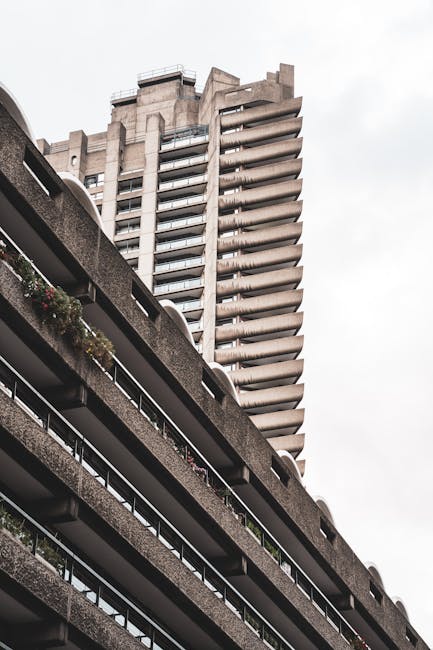




Planning Removals near Grade II Listed Barbican Buildings
Posted on 08/07/2026
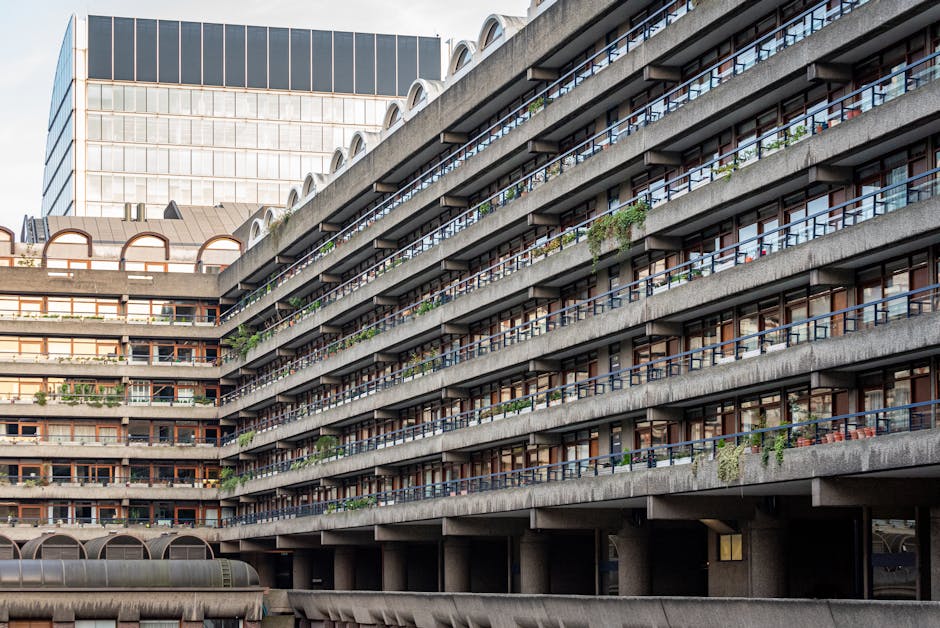
Moving in and around the Barbican is never quite a normal removal job. The buildings, the access routes, the loading bays, the narrow corridors, the lift timings, the neighbour etiquette, all of it asks for a bit more thought. If you are planning removals near Grade II listed Barbican buildings, the difference between a smooth move and a stressful one usually comes down to preparation. Not luck. Preparation.
That matters even more here because the Barbican is one of those places where the architecture, access rules, and day-to-day practicality all meet in the same small space. In this guide, we'll walk through what the process really involves, where the common pressure points are, and how to plan a move that protects both your belongings and the character of the building. A calm move is possible, honestly. You just need the right sequence.
Why Planning Removals near Grade II Listed Barbican Buildings Matters
Grade II listed buildings are not just "old buildings with rules". They are protected structures with architectural value, and the way you move items in and out needs to be handled with more care than a standard residential move. The fabric of the building, the shared entrances, the lifts, the finishes, the communal floors and walls - all of it deserves respect. And from a practical point of view, so do your sofa arms, your dining table corners, and your sanity.
In the Barbican, that care has a few real-world implications. You may need to work around limited loading windows, narrow access points, protected surfaces, or building management requirements. A removal team that understands those pressures can save you time and prevent avoidable damage. If you have ever watched a bulky wardrobe hover at a doorway for ten awkward seconds too long, you already know what I mean.
There is also the neighbour factor. In high-density city living, one careless trolley wheel or late-night shuffle can create noise and friction quickly. Good planning keeps the move efficient, but it also keeps the atmosphere civil. That part matters more than people admit.
How Planning Removals near Grade II Listed Barbican Buildings Works
The process begins before the van arrives. Ideally, someone checks the route from the property to the vehicle, the lift size, the stair width, turning space, and any restrictions on parking or loading. In a Barbican setting, that walk-through is not a box-ticking exercise; it is the difference between an easy carry and a chair-leg catastrophe.
From there, the move should be built around access timing. For example, if a loading bay is only available for a narrow window, packing and dismantling need to be completed early enough to make use of it. If the building has specific booking procedures for lifts or communal areas, those need to be handled in advance rather than on the day when everyone is already feeling the pressure.
Then comes the actual handling plan. Large pieces may need extra protection, blankets, edge guards, and sometimes dismantling before they leave the flat. Fragile or awkward items should be loaded in a sequence that reduces movement in transit. That sounds obvious, but it's easy to get wrong when people are trying to do five things at once. To be fair, most moving-day mistakes happen because someone rushed the last 15 percent.
A professional approach also includes contingency. What if a lift is unavailable? What if there is a delayed handover? What if the weather turns wet and slippery? Planning means thinking through those questions before they become a problem. It's not dramatic. It's just sensible.
Key Benefits and Practical Advantages
There are some obvious benefits to planning properly, but the less obvious ones are often the most valuable.
- Less risk of damage to building finishes, doorframes, bannisters, and your furniture.
- Faster completion because the access route and vehicle positioning are already worked out.
- Lower stress for residents, neighbours, and everyone handling the move.
- Better use of labour because the team can focus on lifting rather than problem-solving on the fly.
- Fewer delays from parking, lift access, or loading-bay bottlenecks.
- Cleaner handover when the move-out is organised and the property is left in good condition.
There is also a financial advantage, though not in a flashy way. Fewer delays and less damage usually mean fewer unexpected add-ons. If you spend a little time planning upfront, you often avoid the kind of last-minute scramble that makes moving feel twice as expensive as it needed to be.
For some households, the biggest win is simply preserving the building's character. Barbican residents are often proud of where they live, and rightly so. A careful move helps maintain that shared standard.
Who This Is For and When It Makes Sense
This kind of planning is useful for almost anyone moving from or into the Barbican, but it is especially important if your move involves large furniture, a tight schedule, or shared access points. If you live in a flat with narrow internal routes or are moving near communal areas where lift bookings matter, do not leave it to the day-of handoff.
It makes sense for:
- Residents in Grade II listed Barbican properties or nearby listed buildings
- Flat movers dealing with stairs, lifts, or awkward corridors
- People moving bulky furniture, pianos, beds, or sectional sofas
- Students and professionals on a tight timetable
- Office or studio occupants needing efficient access coordination
- Anyone who wants a quieter, more controlled move rather than a chaotic one
If you are short on time, you may want to look at same-day Barbican removals or compare your options via removal services in Barbican. And if your move is more complex, a full house removals Barbican setup can be more sensible than trying to patch together separate parts yourself.
Step-by-Step Guidance
- Survey the route first. Check the front entrance, lift, stairs, internal corners, and the path to the van. Measure anything that looks borderline. It is astonishing how often a tape measure solves an argument.
- Confirm building requirements. Find out whether lift bookings, access permissions, or move-in/move-out time windows apply. Do this early, not the evening before.
- Declutter before packing. If you are not moving an item, do not pack it. That sounds basic, but it changes everything. A lighter move is a simpler move. If you want a structured approach, the guide to effective decluttering before moving house is a useful companion.
- Pack by fragility and size. Heavy items need strong boxes and sensible distribution. Fragile items need protection that is more than "a bit of newspaper and hope".
- Prepare furniture properly. Remove legs, shelves, or loose parts where needed. Protect corners and glass. For larger items, it can help to review furniture removals Barbican before booking the move.
- Plan the loading order. Put the most awkward or heaviest items in first if the route and vehicle access support it. Keep essentials accessible.
- Protect the property during carrying. Use covers, blankets, floor protection, and clear communication. One person should guide the route. Two people talking over each other at a doorway is never elegant.
- Leave a buffer in the schedule. Delays happen. Lift queues, traffic, weather, small surprises. Build a little breathing room into the day.
If you are moving with only a man and van setup, make sure the team understands the access constraints first. A leaner vehicle can be ideal in tight areas, but only if the move is planned properly. For that reason, many residents start by comparing man with a van Barbican and man and van Barbican options, then choose the one that fits the property rather than the other way round.
Expert Tips for Better Results
Here's the thing: the Barbican tends to reward calm, methodical moves. If you try to rush it, the building usually wins.
1. Use a pre-move access walk
Even a quick walk from the flat to the loading point can reveal issues that no email thread will mention. A narrow corner, a low ceiling section, a tight lift opening - small details, big impact.
2. Break down oversized items before move day
Large wardrobes, bed frames, and tables are easier to carry when dismantled. It also reduces the chance of scraping walls in communal spaces.
3. Reserve the easiest route for the bulkiest items
Don't waste the smoothest stretch of corridor carrying a box of books. Save that path for the sofa or mattress.
4. Keep a small tool kit handy
Screwdrivers, hex keys, tape, spare bags, and a marker pen are the sort of items that suddenly become magical when a bolt is missing at 8:15 a.m.
5. Choose packaging with the building in mind
Cardboard that sheds, loose wraps, and badly sealed boxes are bad news in shared interiors. Use proper tape, sturdy boxes, and clean protective materials.
For packing support, the advice in hassle-free house packing and the page on packing and boxes in Barbican can be surprisingly practical. If you are moving a bed or mattress, this guide on moving your bed and mattress helps cut out some of the guesswork.
Common Mistakes to Avoid
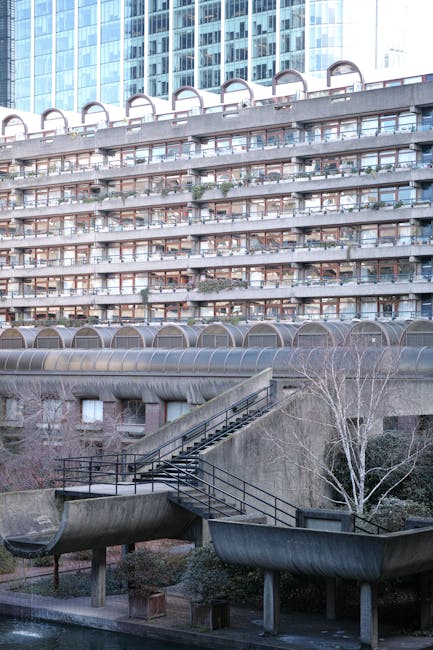
Most moving problems near listed Barbican buildings are not dramatic disasters. They are smaller errors that pile up. A bit of poor timing, a bit of overconfidence, a bit of "we'll manage". And then the lift is booked by someone else.
- Leaving access checks too late. By the time the van has arrived, it is too late to discover the route is too tight for a large item.
- Assuming standard removal timing will work. Barbican moves often need more coordination than a typical suburban house move.
- Underestimating bulky furniture. Sofas, wardrobes, pianos, and bed frames deserve a plan of their own.
- Packing too much into one box. Heavy boxes are harder to carry, harder to stack, and more likely to split.
- Ignoring parking or loading constraints. The van may be ready, but the space may not be.
- Not assigning one lead person. If everyone is directing, no one is directing.
A useful reminder: the move is not just about getting things out. It's about getting them out safely, quietly, and in the right order. That order matters more than most people think.
Tools, Resources and Recommendations
You do not need a warehouse of equipment, but a few well-chosen items make the job much easier.
| Tool / Resource | Why it helps | Best for |
|---|---|---|
| Heavy-duty boxes | Reduce breakage and make stacking simpler | Books, kitchen items, small belongings |
| Furniture blankets | Protect finishes and soften impacts | Sofas, tables, wardrobes, shelving |
| Floor protection | Helps avoid scuffs in shared entrances and hallways | Listed building routes and communal areas |
| Labels and markers | Speeds up unpacking and keeps fragile items visible | Every room, especially mixed loads |
| Tool kit | Useful for dismantling and reassembly on the day | Beds, flat-pack items, wardrobes |
| Storage option | Gives breathing room if move-in and move-out do not align | Staged moves, refurbishments, delays |
If your move needs temporary holding space, storage in Barbican can help you separate the move into two calmer stages. That can be a lifesaver when completion dates wobble a bit, which, let's be honest, happens more often than people would like.
For customers who want to understand the wider service picture, services overview and removals Barbican are useful starting points. If you are comparing providers, removal companies in Barbican is also worth a look.
Law, Compliance, Standards and Best Practice
For listed buildings, the key point is simple: move carefully and avoid unnecessary impact on the structure or shared areas. In practice, that means using proper lifting methods, sensible access planning, and respectful handling of common parts. If the building management has rules, those should be followed. If access needs to be booked, book it. If the route is fragile, protect it.
It is also best practice to choose a team that takes safety seriously. That includes trained manual handling habits, suitable equipment, and clear communication on-site. You may want to review a company's health and safety policy and insurance and safety information before confirming the booking.
For accessibility-sensitive moves, it is sensible to think about routes that work for everyone, not just the strongest person in the room. And if you are ever unsure about a building-specific requirement, ask in advance. A polite question early can save a complicated apology later. Simple, but true.
Options, Methods, or Comparison Table
Different move types suit different levels of planning. Here is a straightforward comparison.
| Move approach | Best for | Advantages | Watch-outs |
|---|---|---|---|
| Self-managed move | Very small loads with easy access | Flexible, budget-friendly | Higher effort, more risk on tight routes |
| Man and van | Smaller flats, light furniture, quick local moves | Practical, often efficient in urban access conditions | Limited manpower for very bulky items |
| Full removal service | Families, larger flats, complex access, or heavier loads | More support, better for coordination and protection | Usually needs more lead time and planning |
| Split move with storage | Delayed handovers or renovations | Reduces pressure, gives flexibility | Requires careful inventory and timing |
If you are dealing with tight corridors or a walk-up, the articles on handling narrow doorways at Barbican Estate moves and bulky furniture moving from Barbican walk-ups are especially relevant. Those are the moments where theory stops and furniture starts bumping into reality.
Case Study or Real-World Example
Picture a resident moving out of a Barbican flat on a weekday morning. The property includes a couple of awkward corners, a lift booking, and a dining table that looked smaller in the showroom, as they often do. Rather than waiting until the van arrived, the move was planned the day before: table legs removed, glass protected, boxes sorted by room, and the route measured from flat to loading point.
On the day, the team started with the easiest access items first, then moved the larger pieces once the route was clear. One loading-bay delay cropped up - because of course it did - but the buffer in the schedule absorbed it. No panic. No scratched wall. No tense "I thought you were bringing the keys" moment.
The important part wasn't that nothing went wrong. A few things always do. The win was that nothing small became something big. That's the mark of a well-planned Barbican move.
For people moving from nearby developments or specific streets, it can help to read a more targeted local guide such as moving out of Barbican Centre flats or the Aldersgate Street move guide. If your move is especially last-minute, same-day Barbican removals for last-minute moves may be a more fitting route.
Practical Checklist
- Confirm the move date and time window.
- Check building access rules and lift bookings.
- Measure doors, corridors, and any tight corners.
- Identify items that must be dismantled.
- Pack fragile items separately and label clearly.
- Protect floors, walls, and furniture with appropriate covers.
- Arrange parking or loading arrangements for the van.
- Keep essentials, keys, documents, and chargers easy to reach.
- Build in time for delays, even if you hope not to use it.
- Review the moving company's safety and insurance information.
- Consider storage if timings do not line up neatly.
- Do a final walk-through before leaving the property.
Expert summary: The best removals near Grade II listed Barbican buildings are not the fastest-looking ones; they are the ones that are quietly organised, respectful of access, and calm under pressure.
If you are still comparing your options, you can also review pricing and quotes and about us to get a better feel for the service style and approach. And if you want to ask a few direct questions, contact is the sensible next step.
Conclusion
Planning removals near Grade II listed Barbican buildings is really about respect: respect for the building, respect for the neighbours, respect for the route, and respect for your own time and energy. When those things are handled properly, the move feels less like a scramble and more like a process you can actually control.
That control comes from early planning, realistic scheduling, proper packing, and a removal method that suits the building rather than fighting it. If you take away one thing from this guide, let it be this: in the Barbican, thoughtful preparation is not a luxury. It is the whole game.
Get a free quote today and see how much you can save.
And once the last box is down and the flat is quiet again, there is a very particular kind of relief that settles in. A good move leaves room for that feeling. That's worth planning for.