

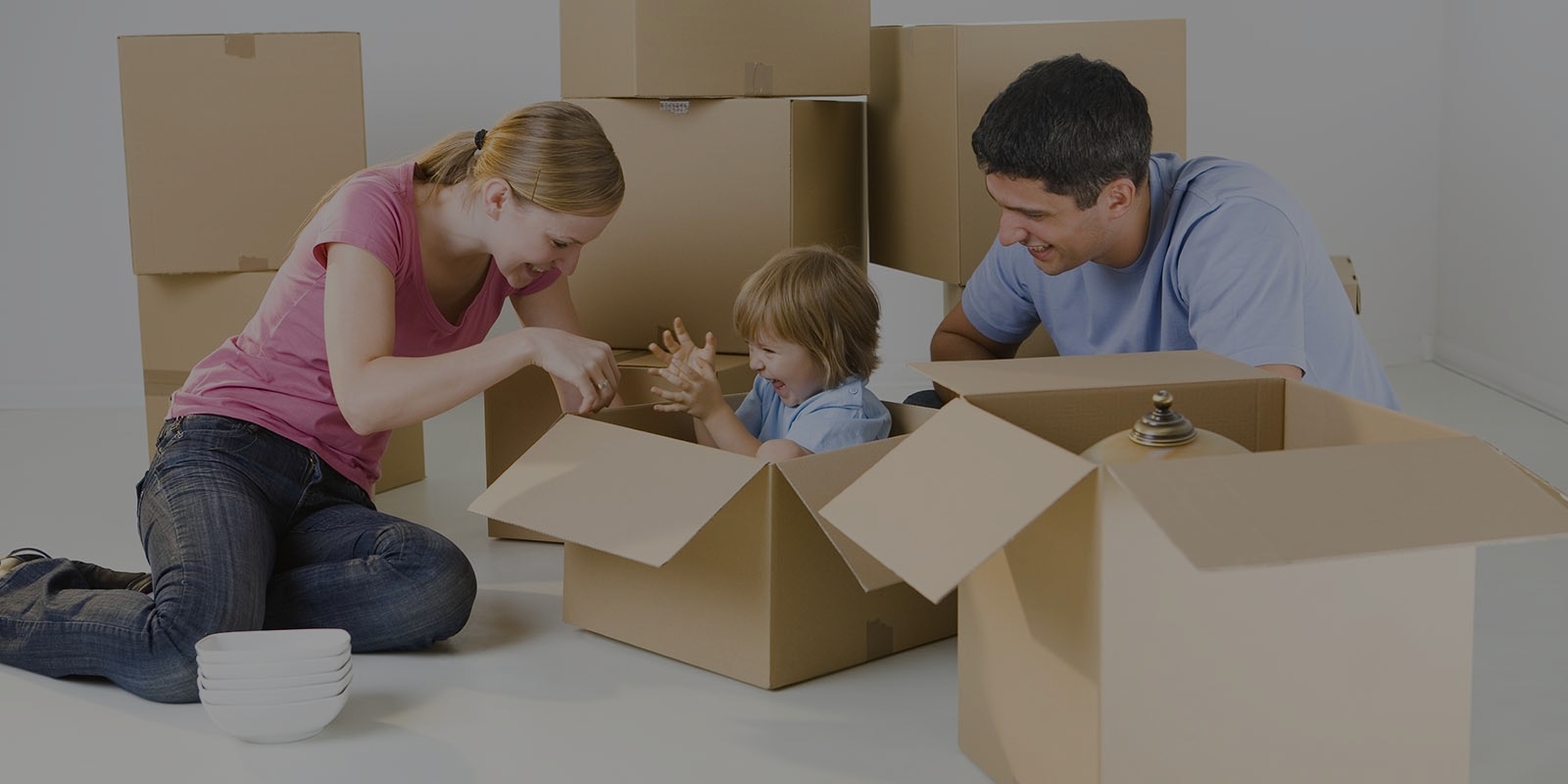


Packing for Silk Street Moves in EC2Y: Tight-Stair Tips
Posted on 05/05/2026
Moving around Silk Street in EC2Y can look simple on a map and feel very different once you meet the stairwell. Narrow turns, shared entrances, awkward landings, low rail clearance, and the usual London rush can turn a straightforward move into a careful bit of planning. That is exactly why Packing for Silk Street Moves in EC2Y: Tight-Stair Tips matters so much. If you pack the wrong way, you do not just waste time; you create more lifting, more bumping, and more stress than anyone needs on moving day.
This guide is built for real-world moving, not theory. You will find practical packing methods for tight stairs, space-saving decisions, handling advice for awkward furniture, and the kind of small details that save a lot of trouble later. We will also look at when to use professional help, how to reduce risk, and which resources are worth using if you want a smoother move across Barbican and the wider EC2Y area.
Truth be told, most moving problems in older apartment blocks are not caused by the van outside. They begin in the hallway, on the stairs, or in the box that was packed a little too ambitiously at 9pm the night before. Let's fix that.
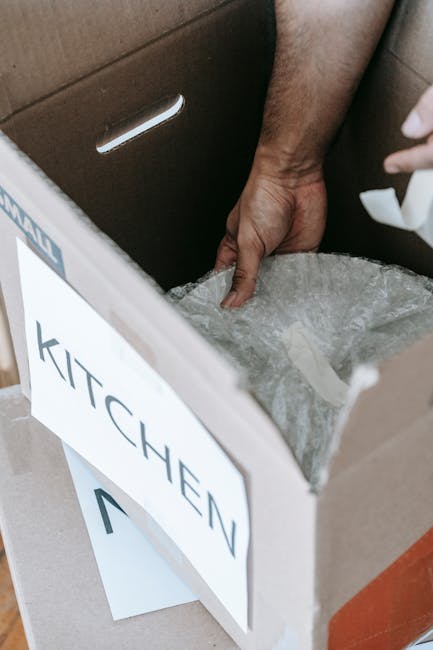
Why Packing for Silk Street Moves in EC2Y: Tight-Stair Tips Matters
Silk Street sits in one of those London pockets where good planning matters more than brute force. If your building has narrow staircases, shared corridors, or awkward corners, the way you pack determines whether items move smoothly or become a wrestling match halfway up the landing. A well-packed box is easier to carry, easier to stack, and far less likely to split when you need it most.
That matters for several reasons. First, safety: overloaded boxes and loose items increase the chance of slips, dropped loads, and strained backs. Second, building protection: tight stairwells and common areas are easy to scuff if boxes are bulky or poorly wrapped. Third, timing: if every item needs to be repacked at the front door, the whole move slows down. And in a busy EC2Y setting, delays have a habit of becoming expensive delays.
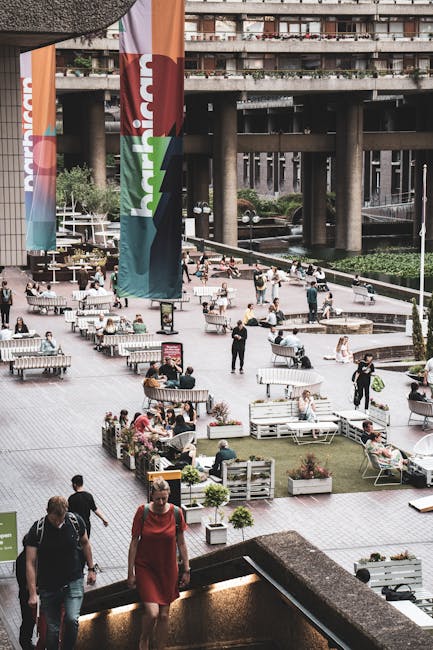
There is also a practical local reality. Many people moving in the Barbican and Silk Street area are dealing with flats rather than houses, which means stairs, lifts, and more than a few pinch points. A move like that rewards planning. A lot.
If you are still in the early stages, it is worth reading the basics on hassle-free house packing and decluttering before moving house. Less to carry usually means less stair stress, simple as that.
How Packing for Silk Street Moves in EC2Y: Tight-Stair Tips Works
In a tight-stair move, the packing strategy is not just about protecting belongings. It is about matching your packing style to the actual movement path. Think of it as designing every box for the route it needs to travel: out of the flat, down the stairs, through the entrance, and into the van. If any part of that route is awkward, the package should be adjusted before moving day.
The main idea is to reduce size, weight, and awkwardness at the same time. That usually means smaller boxes for heavy items, consistent box sizes where possible, careful wrapping for breakables, and furniture prep that avoids last-minute dismantling on the landing. The best-packed move is the one where nobody is improvising with tape and panic in the hallway. Not ideal, that.
For tighter stairs, the angle of the load matters too. A tall, unstable box is harder to tilt through a narrow turn than a shorter, denser one. A long item like a mirror or headboard needs more than a blanket around it; it needs a route plan, handling protection, and often a second person. If the item cannot be safely turned on the staircase, it needs to be protected and carried in a way that avoids twisting.
This is where services such as flat removals in Barbican or a man with a van in Barbican can make life easier, especially if the property layout is more challenging than it first looked.
Key Benefits and Practical Advantages
Good packing for a stair-heavy move pays off in very direct ways. It is not abstract. You feel it on the day.
- Faster carrying: manageable loads move more cleanly through stairwells and landings.
- Less damage: fewer crushed corners, fewer chipped door frames, fewer scratched bannisters.
- Lower risk of injury: lighter, balanced boxes reduce strain on shoulders, wrists, and backs.
- Better stacking in the van: regular box shapes pack neatly and travel more securely.
- Less repacking on the spot: if it is already organised, you do not need to halt the whole move to fix things.
There is a quieter benefit too: confidence. When boxes are labelled clearly and packed consistently, the whole day feels more controlled. You are not opening ten boxes looking for one charger or wondering where the kettle went. Small win, but a real one.
And if you are moving anything delicate, awkward, or sentimental, good packing helps preserve calm. A framed print, a record player, a decent lamp, or an old chair with some history-all of them survive better when the packing is deliberate rather than rushed. If you need more guidance on items that need extra care, the articles on moving beds and mattresses and safe couch storage are useful companions.
Who This Is For and When It Makes Sense
This approach is especially useful for anyone moving from or within EC2Y properties where the stair access is tighter than average. That includes residents in apartments, professionals relocating for work, students moving between flats, and anyone trying to get bulky furniture through old internal stairs without a drama.
It also makes sense if you are moving with limited help. If only one or two people are carrying, each item needs to be packed so it can be lifted safely without wobbling or snagging. That means more thought up front, but less stress later. To be fair, that is a trade most people are happy to make once they have done one bad stair move.
This guidance is also valuable if you are moving on a tight schedule. Same-day moves, short notice changes, and end-of-tenancy handovers all benefit from organised packing. If the clock is ticking, you need fewer decisions on the day, not more. For those situations, a local same-day removals service can be a sensible fallback.
If your move includes larger or specialist items, you may want extra support from furniture removals in Barbican or even piano removals if the stairs and weight really are a bad combination.
Step-by-Step Guidance
Here is the practical way to pack for a Silk Street move when stairs are tight. Follow the route, not just the room.
1. Measure the problem points first
Before packing anything major, check stair width, landing space, door frames, and any sharp turns. Measure if you can. A quick photo on your phone can help too. You do not need a technical survey; you just need enough information to avoid surprises.
2. Sort items by shape and weight
Heavy items should go into small boxes. Light but bulky items can go in bigger boxes, but do not make them impossible to grip. Books, crockery, and tools belong in compact containers. Cushions, bedding, and clothing can fill larger boxes without becoming unmanageable.
3. Pack for the stairs, not the storage shelf
Think about how each box will be carried. Can one person lift it safely? Can it turn on a landing? Is the handle grip clear? If the answer is no, reduce the load. This is one of those times where "just squeeze it in" is a bad plan.
4. Protect corners and fragile edges
Use paper, bubble wrap, blankets, or towels to pad sharp edges. Mirrors, picture frames, and screens need extra protection because corners are the first thing to hit a wall or rail when the staircase tightens up.
5. Dismantle bulky furniture where sensible
Bed frames, tables, and shelving often move better in parts. Keep screws, bolts, and fittings in labelled bags taped to the relevant piece. If you are not sure what can be safely taken apart, it is better to leave it intact and let the movers decide on the day.
6. Label by room and priority
Write the room name on at least two sides of every box. Add a quick note like "fragile," "heavy," or "open first." It sounds basic, but it saves time when the hallway is full and nobody wants to become a detective with a tape gun.
7. Create a small essentials bag
Keep keys, chargers, paperwork, snacks, water, medication, and a charger cable in one bag you carry yourself. It should never vanish into the van. This tiny step saves a surprising amount of frustration later, especially if the move runs into the evening.
8. Leave the final awkward items until last
Long lamps, plants, artwork, and odd-shaped objects often fit best when the route is clear and the team can carry them carefully. If possible, move them after the main boxes are out. Less clutter in the stairwell usually means less risk for everyone.
If you want a calmer moving day overall, the guide on moving with calm and confidence is well worth a look. It pairs nicely with the packing advice here.
Expert Tips for Better Results
A few small choices can make a much bigger difference than people expect. The trick is to treat the stairway like part of the packing plan, not just the exit route.
- Use more small boxes than large ones. They are easier to stack, easier to grip, and easier to turn in narrow spaces.
- Keep box weights similar. Mixed-weight stacks are awkward and can tip when carried or loaded.
- Wrap handles and protruding parts. A door handle or drawer pull can catch on clothing and railings.
- Load the van in stair-friendly order. Anything needed last at the destination should go in last at the origin, where possible.
- Use a simple colour system. A strip of tape on the box can speed up unloading without needing lots of writing.
One practical observation from real moving days: the person carrying the box often has a better sense of balance than the person packing it. So, when in doubt, ask yourself whether the load feels sensible to lift when the box is at knee height, mid-stair, and turning left. If not, downsize it.
And yes, there is a bit of art to this. The scientific side is balance and load distribution; the human side is common sense. A bit of both works best.
If your move involves a lot of lifting, the advice in our kinetic lifting guide can help you think about body position and safer movement without making it all sound too clinical.
Common Mistakes to Avoid
Most stair-related moving problems are predictable. That is the good news. You can avoid them if you know what to look for.
- Overpacking large boxes: this is the classic mistake. It makes carrying awkward and risky.
- Using weak boxes: old cardboard and damp boxes fail exactly when you least want them to.
- Leaving packing until the last minute: rushed packing usually means poor weight distribution and poor labelling.
- Ignoring the stair angle: a box that fits through a doorway may still fail at the landing turn.
- Forgetting protective wrapping: one knock on a bannister can be enough to chip a frame or scratch a wall.
- Not clearing the route: shoes, bags, loose rugs, and recycling bins create avoidable hazards.
Another easy one to miss: forgetting to tell movers about awkward items in advance. A piano, a solid wardrobe, or a bulky sofa may need different handling. If a large item is part of the plan, say so early. That one chat can save a lot of head-scratching later.
For items that need specialist attention, the team's guidance on professional piano moving gives a good sense of when expert handling is the safer path.
Tools, Resources and Recommendations
You do not need fancy equipment, but you do need the right basics. Good tools make tight-stair packing far easier, and they often reduce the temptation to "just carry it carefully" when the item is clearly too awkward.
| Tool or Resource | Why It Helps | Best Use |
|---|---|---|
| Strong small boxes | Better weight control and easier stair handling | Books, kitchen items, tools, heavy mixed items |
| Bubble wrap or packing paper | Protects corners and fragile surfaces | Glass, frames, lamps, ornaments |
| Mattress bag or cover | Keeps bulky bedding cleaner and easier to move | Beds and mattresses |
| Furniture blankets | Helps avoid scuffs on stairs and walls | Large furniture and appliances |
| Marker pens and labels | Makes unloading faster and less chaotic | Every box, especially mixed rooms |
| Tape, zip bags, and small tubs | Keeps fixings and loose parts together | Flat-pack furniture, shelves, tables, beds |
If you are still gathering supplies, the local page for packing and boxes in Barbican is a useful place to start. It helps keep the whole process tidy rather than piecemeal.
Sometimes storage is part of the move too. If your new place is not ready or you need to stage items temporarily, the storage in Barbican option can reduce pressure and make the stairs far less crowded on moving day.
Law, Compliance, Standards, or Best Practice
For most home moves in EC2Y, the main concern is not a complicated legal process; it is sensible best practice. Still, a few standards are worth keeping in mind. Anyone carrying heavy items should use safe lifting techniques and avoid loads that are clearly too heavy or unstable. Employers and professional movers generally have a duty to work in a safe way, and reputable firms should be able to talk clearly about insurance, handling procedures, and what happens if something is damaged.
In practical terms, that means you should ask about risk management, access issues, and whether the team has experience with stair carries, fragile furniture, and building protection. It is also wise to check the terms of service and insurance details before moving day. Not glamorous, admittedly, but very useful.
Local buildings may also have access rules, lift booking slots, or restrictions on shared areas. These are not always formal laws, but they are real conditions that affect the move. If you live in a managed block, a quick check with building management can prevent a messy morning. A surprising number of problems disappear with one email.
For company details and service standards, readers often like to review the about us page, the insurance and safety information, and the health and safety policy. If you prefer to understand booking terms first, the terms and conditions page is worth a look too.
Options, Methods, or Comparison Table
There is more than one way to handle a Silk Street move. The right choice depends on the size of the property, the stair layout, and how much help you have available. Here is a simple comparison to make decision-making easier.
| Method | Best For | Strengths | Limitations |
|---|---|---|---|
| DIY packing and carrying | Small moves, lighter items, short distances | Lower upfront cost, flexible timing | Higher personal effort, more risk with stairs |
| Mixed self-pack + professional transport | Typical flat moves with a few awkward items | Good balance of control and support | Still requires strong packing discipline |
| Full removal service | Busy moves, heavy furniture, limited time | Most efficient, less lifting stress | Costs more, needs more coordination |
| Storage-first approach | Delays between homes, refurb work, staged moves | Reduces congestion and time pressure | Requires planning and extra handling |
For many EC2Y residents, a blended approach works best. Pack the small, manageable items yourself, then bring in a local team for the heavier or more awkward pieces. That is often the sweet spot between control and sanity. If you need more than transport, the wider removal services in Barbican page is a useful overview.
Case Study or Real-World Example
Imagine a one-bedroom flat near Silk Street with a narrow internal staircase, a compact kitchen, and a bedroom on the upper level. The resident has a mattress, a small sofa, books, kitchenware, a desk, and several framed prints. On paper, it looks manageable. In reality, the staircase has a turn halfway down and the front entry has a tight corner. Very London, really.
The move goes better because the packing is done in stages. Books are split into small boxes. The sofa cushions are removed and wrapped separately. The desk legs are detached and bagged with fixings. Framed prints are protected with cardboard corners and moved last. The key difference is that no one is trying to carry a heavy, overfilled box while also figuring out the landing turn.
What made the biggest impact was not a special trick. It was sequencing. Heavy items were prepared first, fragile items were grouped carefully, and the stair route was cleared before the van arrived. The result: fewer trips, fewer pauses, and much less "wait, let me just move this out of the way" energy. A small thing, but it changes the whole tone of the day.
If a move like that sounds familiar, it can be worth comparing local options such as house removals or checking the broader services overview to match support to the size of your move.
Practical Checklist
Use this checklist in the days before the move. It is simple, but it works.
- Measure stair width, landing turns, and door frames if possible
- Sort items by weight, shape, and fragility
- Use small boxes for books, kitchen items, and dense items
- Wrap fragile items individually and protect corners
- Disassemble bulky furniture where appropriate
- Label every box by room and content priority
- Keep fixings, cables, and small parts in labelled bags
- Prepare a personal essentials bag for the first 24 hours
- Clear corridors, stairwells, and entry points before carrying starts
- Confirm access arrangements, parking, and any building rules
- Check insurance and safety details for any professional help you use
- Set aside recycling, unwanted items, or storage needs early
That last one matters more than people think. If you are reducing clutter before the move, the article on effective decluttering tips can help you decide what actually deserves a place in the box. Sometimes less is better. Often, actually.
Conclusion
Packing for a move in Silk Street and the wider EC2Y area is really about respecting the route. Tight stairs are not a side issue; they are the main event. When you pack with the stairwell in mind, you reduce damage, protect people, and make the whole move feel far more manageable. A bit of planning now saves a lot of muttering later.
The best moves are not always the fastest on paper. They are the ones that stay controlled when the hallway narrows, the box gets heavier than expected, and the first turn feels a bit too close for comfort. If you prepare properly, that moment passes quickly. The day keeps moving.
For a smoother next step, review your packing supplies, check access details, and decide whether you want help with the heavy lifting. If you are comparing local support, the team's pricing and quotes page is a practical place to start.
Get a free quote today and see how much you can save.
And if the day feels a little too full, breathe. A well-packed move has a way of turning chaos into a series of small, solvable jobs. One box at a time.