


Handling Narrow Doorways at Barbican Estate Moves
Posted on 22/06/2026
Handling Narrow Doorways at Barbican Estate Moves: A Practical Guide for Safer, Smoother Moves
Barbican moves can be brilliantly straightforward right up until the front door says otherwise. If you are dealing with Handling Narrow Doorways at Barbican Estate Moves, you already know the challenge: a sofa that looked manageable in the lounge suddenly feels enormous in the corridor, a wardrobe catches on a corner, and everyone stops for that slightly awkward pause. Been there, seen that, fixed that.
The good news is that narrow access is not a disaster; it is a planning problem. With the right measurements, the right order of operations, and a calm approach, most tight-entry moves can be handled cleanly and safely. In this guide, you will learn how to assess access properly, prepare furniture and boxes, avoid common mistakes, and decide when professional support is worth it. If you are moving from a flat, a maisonette, or a high-density building nearby, this will help you make better decisions before a single item is lifted.
For readers planning a wider move, it can also help to look at flat removals in Barbican, especially when access is only one part of the puzzle. You may also find it useful to read about narrow access tips for Golden Lane Estate if your move shares the same kind of tight corridors, stairs, and awkward turns.

Why Handling Narrow Doorways at Barbican Estate Moves Matters
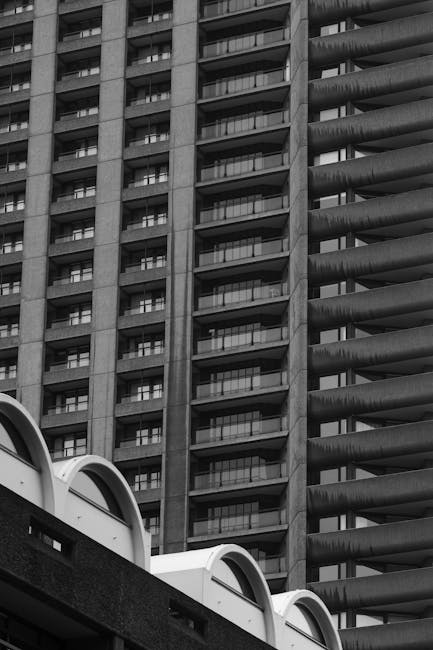
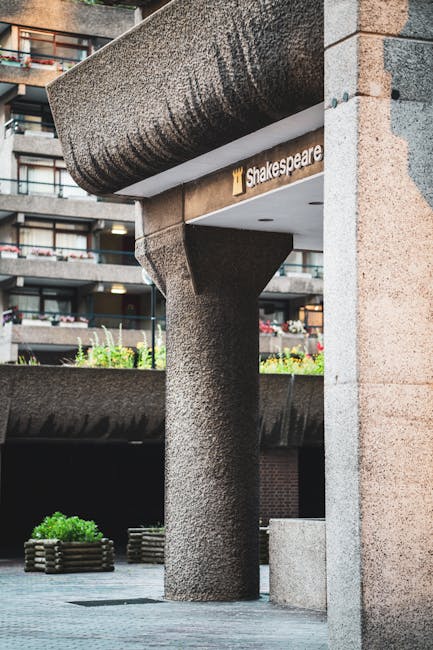
At Barbican Estate, narrow access is not a rare exception; it is part of the moving reality for many homes. Doorways can be tight, hallways can turn sharply, and stairwells often leave very little margin for error. That matters because most moving damage does not happen during the long drive. It happens in the first and last few metres, usually when something large is being rotated, tilted, or squeezed through an opening that is just a bit too optimistic.
This is why doorway handling deserves serious attention. A careless move can lead to chipped walls, damaged door frames, scuffed furniture, strained backs, and delays that snowball into a stressful afternoon. To be fair, a lot of people only realise this once they are halfway through and the item is already wedged. Not ideal.
There is also the emotional side. Moving day is already full of noise, decisions, and timing pressure. If access problems are left to the last minute, the whole day can start to feel like a domino line of little problems. Good planning reduces that. It turns a difficult move into a controlled one. That is especially important in London buildings where shared spaces need to stay safe and respectful for neighbours.
Expert summary: narrow doorway handling is less about force and more about preparation. Measure carefully, strip items down where possible, plan the angle of entry, protect the surfaces, and decide early whether a piece needs disassembly or specialist handling.
How Handling Narrow Doorways at Barbican Estate Moves Works
The process sounds simple on paper: measure the item, measure the doorway, move the object. In reality, the work is about geometry, sequencing, and communication. You are not just checking width; you are checking height, depth, turning space, landing clearance, and how the item behaves when tilted.
A sofa, for example, may be narrow enough in theory but still fail at the corner because the arms catch the frame. A mattress may pass through a door vertically but then become awkward in a hallway if the ceiling height drops near a light fitting. A table might clear the door but not the stair landing, which is where many moves become unexpectedly comical. Funny later. Not during the move.
The most effective approach usually follows these stages:
- Survey the access route from street to room.
- Measure the largest items and compare them with the smallest opening.
- Decide which items can be turned, folded, dismantled, or wrapped more tightly.
- Protect door frames, corners, and flooring before moving begins.
- Lift and rotate with clear communication, one controlled movement at a time.
- Reassess after each item rather than assuming the next one will behave the same way.
That reassessment step matters more than people expect. Two wardrobes may look similar but behave differently because one has fixed handles, a deeper top rail, or a wider base. Little differences become big differences when you are working in a narrow landing.
If you are packing at the same time, it helps to use advice from hassle-free house packing strategies so smaller items do not clog the hallway while furniture is being manoeuvred. And if you are already at the decluttering stage, the article on effective decluttering before moving house is worth a look, because less clutter means more space to work.
Key Benefits and Practical Advantages
Doing doorway planning properly pays off in more than one way. The obvious benefit is fewer knocks and scrapes, but there are several quieter advantages too.
- Less risk of damage: careful access planning helps protect walls, frames, furniture, and flooring.
- Faster handling: when you know in advance which items need disassembly, the move runs more smoothly.
- Lower physical strain: fewer desperate twists and lifts means less strain on backs, shoulders, and wrists.
- Better neighbour relations: shorter, quieter, less chaotic moves are simply easier on everyone in shared buildings.
- More predictable timing: access issues can eat hours if they are not anticipated.
- Cleaner decision-making: you can choose whether to move, dismantle, or store an item before the van arrives.
One practical advantage people overlook is confidence. When the access route is mapped, the move stops feeling like guesswork. You can stand at the doorway and think, yes, that chest of drawers needs the handles off and a slight turn, not a dramatic shove. That calmness is worth a lot on moving day.
There is also a financial angle, though it should be treated carefully. Fewer delays, fewer emergency fixes, and less accidental damage can help avoid extra costs. Not every tight move becomes expensive, of course, but a few minutes of planning usually costs less than replacing a chipped door frame or reordering a broken piece of furniture.
Who This Is For and When It Makes Sense
This approach is useful for almost anyone moving in or out of Barbican Estate, but some situations make it especially relevant.
- Residents in flats with narrow hallways or split-level layouts
- People moving large furniture such as sofas, beds, wardrobes, and dining tables
- Students or renters with limited lift access and shared corridors
- Households moving bulky items into storage first
- Office teams moving desks, filing cabinets, or specialist equipment
- Anyone facing a same-day or tightly timed move where there is little room for trial and error
It also makes sense if the building has practical constraints you cannot change on the day: fixed stair widths, communal landings, lift sizes, or protected surfaces. In those cases, the smart choice is not to hope for the best. It is to plan around the space you actually have.
If you are moving larger specialist items, the decision becomes even clearer. A piano, for example, is not a piece you want to "just see if it fits." For that kind of move, it is sensible to read why hiring pros for piano moving is a smart choice and consider whether your furniture needs the same level of care. Likewise, for oversized bedroom items, bed and mattress moving strategies can help you judge what can be flattened, wrapped, or carried upright.
Step-by-Step Guidance
Here is a practical way to handle narrow doorways without turning the move into a wrestling match.
1. Measure the exact pinch points
Start with the smallest usable width on the route, not just the main front door. Measure door frames, hallway corners, stair turns, and any areas where banisters or radiators reduce space. Use a tape measure, not guesswork. Guesswork is charming in life, less so with wardrobes.
2. Measure furniture properly
Take width, height, depth, and any protruding parts such as handles, feet, and hinges. A sofa with removable legs may suddenly become far easier to manage. A wardrobe with doors still attached may be impossible. The details matter.
3. Clear the route
Move shoes, mats, plants, and small boxes out of the way. Tape loose cables down. Keep the hallway clear from the van to the room. If you have children, pets, or neighbours passing through, arrange the route so people are not having to squeeze around moving items.
4. Protect the building
Use padding on door frames, corner guards where needed, and floor protection in high-traffic areas. In older buildings, even a light bump can leave a mark. The aim is not to make the whole place look like a film set. Just enough protection to stop avoidable damage.
5. Strip items down where possible
Remove legs, shelves, drawers, mirrors, and loose fittings. Bag the screws and label everything clearly. This is one of those boring tasks that saves a huge amount of stress later. Very unglamorous, very worthwhile.
6. Decide the angle before lifting
Sometimes the item will fit only when turned diagonally, carried vertically, or slid in with a pivot. Agree the movement before anyone lifts. If two people are giving different instructions at the same time, the doorway becomes the enemy very quickly.
7. Move slowly, then slower than that
Take the first few inches carefully. If the item catches, stop. Do not force it. Reset the angle. A small pause is cheaper than a damaged wall and a very tense silence.
8. Recheck before the next item
After each successful move, look at what changed. Maybe a door has been propped open wider, maybe the landing is suddenly cluttered, maybe the path is now a little tighter because packaging is building up. Adjust as you go.
If the job involves awkward lifting as well as tight access, the practical advice in the art and science of kinetic lifting is a useful companion read. It helps explain how to lift more efficiently without turning your body into a human hinge.
Expert Tips for Better Results
There are a few small improvements that make a surprisingly big difference.
- Remove the "maybe" items first. If you suspect something may not fit, deal with it early. Waiting until the van is outside only adds pressure.
- Use a spotter. One person moving, one person guiding is usually better than a crowd of well-meaning helpers. Too many voices can get noisy fast.
- Wrap sharp edges. Handles, feet, and corners are the bits that catch frames and walls first.
- Think in shapes, not furniture names. A bookcase is really a rectangle with protrusions; a chair is a frame, a seat, and four opportunities to snag something.
- Keep tools within reach. Screwdrivers, hex keys, tape, labels, and blankets should be ready before lifting starts.
- Use short communication phrases. Words like "stop," "lift," "turn," and "down" reduce confusion more than long explanations in a tight hall.
A small human truth here: the smoother the communication, the calmer the whole building feels. You can almost hear the difference. Less clatter, less muttering, fewer shoes on polished floors scuffing around.
For some households, storing one or two awkward items temporarily is the wisest route. If that is you, storage in Barbican can be the practical release valve that keeps the move manageable rather than rushed.
Common Mistakes to Avoid
Most doorway problems come from a small set of repeat mistakes. Once you know them, they are much easier to dodge.
- Measuring only the furniture, not the route. The item may fit the door and fail at the landing.
- Forgetting protrusions. Handles, feet, lampshades, and corners are often the real issue.
- Trying to force the angle. If the item does not fit naturally, forcing it usually causes damage.
- Leaving packing until the last minute. Hallway clutter makes tight access worse.
- Not dismantling when you should. Sometimes the best solution is a screwdriver, not strength.
- Ignoring weather or wet floors. Damp shoes and protected flooring do not mix well.
- Underestimating fatigue. The last item of the day is where people make odd decisions. Everybody does it.
Another common mistake is assuming that because a neighbour moved a similar sofa once, yours will behave the same way. It won't necessarily. One centimetre here, one rigid arm there, and suddenly the move is completely different. Narrow access rewards humility. A little humility, anyway.
Tools, Resources and Recommendations
You do not need a huge toolkit to handle narrow doorways well. But a few items make the job safer and tidier.
| Tool or item | What it helps with | Practical note |
|---|---|---|
| Measuring tape | Accurate width and height checks | Use it on both furniture and route pinch points |
| Furniture blankets | Surface protection and grip | Useful for door frames and wider items |
| Corner protectors | Reducing wall scuffs | Particularly useful in tight turns |
| Straps or grips | Better control on awkward lifts | Helps with balance more than brute force |
| Labels and bags | Keeping dismantled parts together | Bag screws and label the item they belong to |
| Floor coverings | Protection for shared or polished floors | Worth using in communal entrances and corridors |
For many moves, good packing is just as important as the tools. Packing and boxes in Barbican can help if you need a cleaner, more organised start. If you want to reduce the load before moving day, decluttering tips before moving house can save space, time, and a lot of grumbling at the door.
And if your move includes specialist items, there are good reasons to plan for them separately. A reader moving a bulky sofa, for example, may benefit from safe couch storage suggestions if the item cannot be moved straight away. Likewise, if your move affects kitchen appliances for any length of time, freezer storage hacks may be surprisingly useful, even if they are not the most exciting thing you will read this week.
Law, Compliance, Standards, or Best Practice
For narrow doorway handling, the most important thing is not a special regulation for Barbican Estate moves, but a combination of general moving best practice, building courtesy, and common-sense safety. If a move is being carried out in communal areas, care should be taken to avoid damage, obstruction, and unnecessary risk to residents and workers.
In practical terms, that means keeping pathways clear, using suitable lifting techniques, and protecting property where appropriate. It also means being honest about what can be done safely. If an item is too heavy, too awkward, or too fragile to handle through a narrow access point without added support, that is a planning issue, not a challenge to be won through sheer determination.
For businesses or professional movers, health and safety expectations should be taken seriously. Clear communication, suitable equipment, and sensible risk awareness all matter. If you want to understand the broader approach, it is worth reviewing the health and safety policy and insurance and safety information so you know how careful handling is approached in practice.
There is also a sustainability angle worth keeping in mind. If something is no longer practical to move, repairing, reusing, or storing it may be a better option than forcing a risky relocation. The page on recycling and sustainability is a useful reminder that a move can be efficient without being wasteful.
Options, Methods, or Comparison Table
Not every narrow-door move needs the same solution. The right method depends on the item, the route, and how much time you have.
| Method | Best for | Pros | Watch-outs |
|---|---|---|---|
| Carry as-is | Smaller furniture and boxes | Fastest and simplest | Only works if measurements are clearly in your favour |
| Partial dismantling | Most flat-pack and modular furniture | Reduces width and snag points | Requires tools, time, and careful part storage |
| Full dismantling | Large wardrobes, bed frames, desks | Best chance of fitting narrow access | Slower, and reassembly takes effort later |
| Vertical carry | Sofas, mattresses, some tall items | Can work in stairwells and tight halls | Needs good control and clear ceiling clearance |
| Temporary storage | Oversized or awkward items | Removes pressure from moving day | May add an extra step and cost |
| Professional handling | Pianos, large furniture, tricky access | More control and specialist experience | Best arranged in advance, not at the last minute |
If you are comparing moving support, it can help to look at the wider service options first. Services overview gives a broader picture, while furniture removals in Barbican is relevant where the main challenge is large household pieces. For more urgent situations, same-day removals in Barbican can be the right fit, provided the access issue is clearly communicated early.
Case Study or Real-World Example
A typical Barbican-style moving scenario goes like this. A resident is moving from a flat with a narrow internal corridor and a front doorway that is just slightly tighter than expected. They have a medium sofa, a bed frame, and several boxed items. On paper, nothing seems impossible. In the hallway, things become more interesting.
The sofa is the first test. It will not pass straight through because the arm catches on the frame. Rather than forcing it, the movers remove the feet, wrap the arm, and rotate the sofa vertically. That creates just enough clearance to guide it through. The bed frame comes next and is dismantled in advance, which saves everyone a lot of exhaling and looking at the ceiling in silence.
The biggest difference in the move was not strength. It was the decision to prepare early. Once the resident measured the route properly, cleared the corridor, and separated the most awkward pieces from the smaller boxes, the move stopped feeling random. A storage decision was made for one bulky item that was not needed immediately, which prevented a late-day bottleneck. Simple, really. But not always obvious in the moment.
This kind of move also shows why local knowledge helps. If you are already familiar with the shape of Barbican flats, you know that a little planning goes a long way. If you are new to the area, reading what to expect when moving out of Barbican Centre flats can set realistic expectations before moving day arrives.
Practical Checklist
Use this checklist before the van arrives. It is short, but it covers the real pressure points.
- Measure all doorways, landings, stairs, and tight corners on the route.
- Measure furniture including handles, feet, and fixed protrusions.
- Decide which items need dismantling before moving day.
- Pack and label screws, fittings, and small parts.
- Clear hallways, landings, and entrances of loose clutter.
- Protect door frames, walls, and floors where needed.
- Keep tools, tape, and blankets within easy reach.
- Assign one person to guide movements and one to lift where practical.
- Plan an alternative for items that will not fit safely.
- Allow extra time. Always a bit more than you think.
If you are moving a smaller number of items or working to a tighter schedule, it may be worth exploring man with a van in Barbican or man and van services in Barbican depending on how much lifting and loading support you need. For certain short-notice moves, same-day Barbican removals for last-minute moves can also be relevant, though narrow access still needs to be explained clearly.
Conclusion
Handling narrow doorways at Barbican Estate moves is mostly about good judgement. Measure carefully, prepare the route, dismantle what you can, and never treat a tight opening like a challenge to push through by force. The best moves are the ones where the furniture, the building, and the people all get respected at the same time.
That may sound simple, but on moving day simple is exactly what you want. The right plan can turn a tricky doorway into just another step in the process. A small pause, a better angle, a bit of padding, maybe one sensible storage decision - that is often all it takes.
If you are still deciding how much help you need, start with the space, not the stress. Then build the move around what the building can actually give you. It is calmer, safer, and honestly, a lot less exhausting.
Get a free quote today and see how much you can save.