




Aldersgate Street Move Guide for Barbican Residents
Posted on 13/05/2026
Moving near Aldersgate Street can feel deceptively simple on a map. It looks central, tidy, and well connected. Then moving day arrives, and suddenly you are thinking about lift access, narrow hallways, parking, timing, box stacks, and whether that awkward sofa will actually fit through the door. If you live in Barbican, the details matter. A lot.
This Aldersgate Street Move Guide for Barbican Residents is here to make the process clearer, calmer, and far less chaotic. Whether you are leaving a Barbican apartment, moving into a nearby flat, or shifting furniture across the City, the best moves are usually the ones planned with a realistic view of the building layout, access restrictions, and the small things people forget until the last minute. Truth be told, that is where most stress lives.
Below, you will find a practical, locally aware guide covering the why, the how, the common pitfalls, and the kind of step-by-step advice that actually helps on the day. There is also a checklist, a comparison table, and answers to the questions people really ask before booking a move.
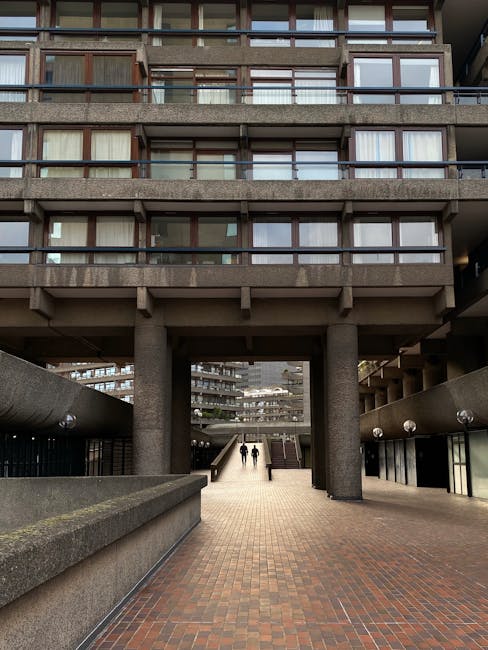
Why Aldersgate Street Move Guide for Barbican Residents Matters
Moving in and around Aldersgate Street is not the same as moving out of a standard suburban house with a long driveway and a spare room for staging boxes. Barbican residents often deal with apartment blocks, shared corridors, lift bookings, service entrances, timed access windows, and furniture that was never designed with a twisty stairwell in mind.
That is exactly why a local moving guide matters. It gives you a plan that reflects the actual environment rather than a generic "pack a few boxes and hope for the best" approach. A good guide helps you think through the hidden moving details early: where the van can stop, how long loading may take, what can be dismantled in advance, and what should be left to trained movers.
If you are preparing a flat move, it can also be useful to look at broader local service options such as flat removals in Barbican and the wider Barbican removals service offering. Those pages help frame the move as a practical project, not a last-minute scramble.
There is also a trust element. In a busy central area, you want movers who understand local access conditions, respect building rules, and work safely around residents, porters, and neighbours. That is especially true if you are moving at peak times or dealing with valuable items. Nobody wants a moving van causing friction outside a building at 8:30 a.m., let's face it.
How Aldersgate Street Move Guide for Barbican Residents Works
The simplest way to think about the moving process is this: assess, reduce, prepare, protect, transport, and settle. Those stages sound obvious, but when each one is done properly, the move becomes dramatically easier.
For Barbican residents near Aldersgate Street, the process usually begins with access planning. That includes checking parking or stopping arrangements, confirming lift availability, and understanding whether there are any building-specific requirements for furniture moves. It also means measuring large items against doorways, stair widths, and lift dimensions before the day arrives.
Next comes sorting and packing. A strong move plan reduces what you carry. If you have not used something in a year, it is worth asking whether it deserves space in the van at all. This is where a little pre-move discipline saves time later. A practical read like effective decluttering before moving house can be a very sensible starting point.
After that, you pack by room and by priority. Essentials boxes are the difference between a calm first night and rummaging through fifteen cartons for a kettle charger. If you want a more structured approach, the guide on hassle-free house packing is a useful companion piece.
Finally, the move itself should be organised around load order and fragility. Heavy items go first or last depending on route and access. Delicate items need proper wrapping. And bulky pieces like beds, sofas, or pianos need a decision: move, dismantle, store, or pass to specialists. A good moving company will walk you through those choices rather than guessing on the day.
Key Benefits and Practical Advantages
The obvious benefit is less stress. But the real value of a well-planned move around Aldersgate Street goes beyond that. It protects time, reduces damage risk, and helps you avoid awkward delays that can snowball quickly in a busy London setting.
- Faster loading and unloading: When access is planned, movers spend more time moving and less time waiting.
- Lower chance of damage: Furniture that is wrapped, labelled, and dismantled correctly survives the move better.
- Better use of van space: Smart packing means fewer trips and less shuffling on the pavement.
- Less physical strain: Heavy lifting can be risky when done badly, especially on stairs or in tight hallways.
- More predictable costs: Clearer planning usually means fewer surprise charges or delays.
- Cleaner handover: If you are leaving a flat, a proper final clean helps avoid last-minute panic.
There is a mental benefit too. You sleep better the night before when you know what happens next. That calmness matters. A move is never entirely glamorous, but it becomes manageable when the plan is visible.
If you are aiming for a smoother moving day, it can also help to read about moving with calm and confidence. It is not just a feel-good phrase; it is what good preparation actually creates.
Who This Is For and When It Makes Sense
This guide is useful for a wide range of Barbican residents and nearby movers, but it is especially relevant if any of the following sound familiar.
- You live in a flat or apartment with shared access points.
- You are moving from a property near Aldersgate Street into or out of the Barbican area.
- You own heavy furniture, a bed, a piano, or awkward-shaped items.
- You need a small local move rather than a full-scale national relocation.
- You are a student, professional, or couple moving on a tight schedule.
- You want help with packing, lifting, or short-term storage.
It also makes sense if your move is time-sensitive. Maybe the tenancy overlaps by a day, or your keys are not available until late afternoon. In those cases, flexible support matters. You may want to explore same-day removals in Barbican or a straightforward man with a van in Barbican option for a lighter move.
For larger households or more structured relocation support, the fuller house removals Barbican page is a better fit. The point is to match the service to the reality of your move, not just the size of your confidence on a Sunday morning.
Step-by-Step Guidance
Here is a practical route through the move, from early prep to first-night setup. It is not fancy. It just works.
- Check access early. Confirm lift timings, loading areas, parking constraints, and any building rules. If you are in a managed block, ask about bookings well in advance.
- Measure the big items. Doors, hallways, lift interiors, beds, sofas, wardrobes. Measure twice. Regret once.
- Declutter before packing. Sort items into keep, donate, recycle, and discard. Fewer belongings means simpler logistics.
- Choose the right supplies. Use sturdy boxes, tape, labels, furniture blankets, bubble wrap, and mattress covers where needed.
- Pack by function and room. Keep books together, kitchen items together, and clearly label anything fragile.
- Prepare an essentials box. Include kettle, chargers, toiletries, snacks, documents, medication, and basic cleaning items.
- Dismantle larger furniture. Beds and some tables are easier to move in pieces. If unsure, get help rather than forcing it.
- Protect floors and corners. In flats, scuffed walls and scratched floors are a common avoidable headache.
- Load in the right order. Heavier pieces and solid boxes usually go in first, with delicate items secured last depending on van layout.
- Do a final sweep. Check cupboards, above wardrobes, under beds, behind doors, and in bathrooms. People miss a surprising amount. I have seen it happen at 7:15 a.m., and nobody was thrilled.
If you are moving furniture that needs special care, the local furniture removals service may be more appropriate than trying to handle everything yourself. For larger, awkward, or high-value items, it is often the wiser choice.
One small but helpful trick: pack one room at a time, then label the top and side of each box. Sounds basic, but it saves a lot of head-scratching later. Particularly when there are ten identical cardboard boxes and the tape starts looking all the same.
Expert Tips for Better Results
There are the obvious tips, and then there are the ones that make a real difference. The latter usually come from seeing what goes wrong again and again.
1. Protect the route before you protect the item. A sofa is not the only thing at risk. Hallways, walls, and lifts can take damage too. Clear the route and use covers where needed.
2. Keep tools within reach. Screwdrivers, Allen keys, tape, a marker pen, and a small roll of stretch wrap should not be buried in a box labelled "miscellaneous". That box always disappears at the exact wrong moment.
3. Don't overfill cartons. Overpacked boxes are harder to lift and more likely to split. Books, files, and crockery are the usual culprits here.
4. Handle lifting technique carefully. If you are lifting alone or helping with heavy items, use proper posture and control. The advice in kinetic lifting guidance can help explain safer movement mechanics in plain English.
5. Book support for specialist items. Pianos are a classic example. They look solid, but they are sensitive, heavy, and awkward. If you own one, a specialist service such as piano removals in Barbican is generally the sensible route.
6. Decide storage early if your dates do not line up. Short gaps between tenancies are common in London. If you need a holding solution, a local storage option in Barbican can prevent rushed decisions.
7. Keep the first night simple. A box of bedding, towels, mugs, snacks, and cleaning wipes can save you from a mildly miserable evening. Sometimes that is the difference between feeling settled and feeling stranded.

Common Mistakes to Avoid
Most moving mistakes are boringly predictable. That is good news, because predictable mistakes are easy to avoid.
- Leaving packing too late: Rushing creates poor labelling, broken items, and tired people.
- Ignoring access limitations: If a van cannot stop where you hoped, your whole schedule can slip.
- Not measuring furniture: You do not want to discover at the last second that the wardrobe will not turn in the stairwell.
- Mixing essentials with everything else: Then you spend your first night searching for toothpaste and a phone charger.
- Underestimating how long cleaning takes: Especially in kitchens and bathrooms.
- Trying to lift too much alone: This is where backs get annoyed, quickly.
- Forgetting to confirm service details: Arrival time, floor access, contact numbers, and payment expectations should all be clear.
If you want to avoid the classic end-of-tenancy scramble, it is worth reading how to ensure a perfectly clean home before moving. That kind of work is never glamorous, but it matters when you are handing back keys.
Another common one? Packing without a system, then writing "kitchen stuff" on four boxes and hoping for the best. Hope is not a labelling strategy.
Tools, Resources and Recommendations
The right tools make moving feel less like a wrestling match. You do not need an entire warehouse of equipment, just the essentials that protect your belongings and save your back.
- Strong cardboard boxes: Use a mix of small, medium, and wardrobe boxes.
- Packing tape and tape gun: Makes sealing boxes much faster.
- Labels and marker pens: Clear labels save time at both ends of the move.
- Furniture blankets and wraps: Useful for protecting sofas, cabinets, and tables.
- Mattress covers: A simple layer can save a lot of dust and damage.
- Gloves and sturdy shoes: Basic, but worth it.
- Dolly or sack truck: Helpful for boxes and smaller furniture where access allows.
For supplies, the packing and boxes Barbican page is a useful place to understand what you may need before the day starts. If you are trying to keep costs under control, comparing moving options through pricing and quotes is a sensible next step.
On the service side, you can also consider whether a full team or a smaller vehicle-based approach fits your move. The broader services overview page can help you compare options without overcomplicating things.
And if the move is tied to university accommodation, the dedicated student removals in Barbican page may be more relevant than a general household service. Different move, different priorities. Simple as that.
Law, Compliance, Standards, or Best Practice
For local moves in London, the most important compliance concerns are usually practical rather than dramatic. You are typically thinking about safe loading, respectful parking, building rules, insurance, and whether the moving team works in a way that reduces risk to people and property.
Good practice generally includes:
- checking building access arrangements before the move;
- confirming insurance cover for goods in transit and handling;
- using safe lifting methods and suitable equipment;
- keeping walkways clear to reduce trip hazards;
- protecting communal areas and lift interiors where appropriate;
- confirming payment terms, booking conditions, and cancellation policies in advance.
It is also reasonable to expect a provider to follow clear operational standards around safety and customer service. If you want to understand how a business presents those commitments, you may find the pages on insurance and safety and the health and safety policy helpful.
For privacy, payments, and company terms, those matters should be transparent too. That includes the practical side of booking, not just the move itself. If anything looks unclear, ask. Better to ask now than chase answers mid-move, when everyone is already carrying a wardrobe and slightly grumpy.
You can also review the company's general trust pages such as about us, terms and conditions, and privacy policy if you want a fuller picture before booking. That is just sensible due diligence.
Options, Methods, or Comparison Table
Not every move needs the same setup. Some people only need a van and a pair of helping hands. Others need packing, lifting, storage, and a more coordinated service. Here is a quick comparison to help you choose.
| Option | Best For | Strengths | Watch Outs |
|---|---|---|---|
| Man with a van | Small flat moves, light furniture, short local journeys | Flexible, efficient, usually straightforward | May not suit large volumes or complex access |
| Full house removals | Larger homes or multiple rooms of furniture | More support, more capacity, better for coordinated moves | Can be more resource-heavy than needed for a simple move |
| Furniture-only service | Bulky single items or awkward pieces | Focused handling and less general packing overhead | May not cover all household items |
| Storage plus move | Overlapping tenancy dates or renovation delays | Good for flexibility and timing gaps | Requires extra planning and coordination |
| Specialist item removal | Pianos, fragile antiques, oversized equipment | Reduced risk, better handling expertise | Usually needs more notice and specific preparation |
In practice, many Barbican residents use a hybrid approach. For example, one or two large items may need specialist handling, while boxes and lighter furniture move in a small van. That mixed approach can be efficient and budget-friendly too.
If your move is more straightforward, a man and van Barbican service may be the sweet spot. If it is larger, the more comprehensive removal services in Barbican page is worth a look.
Case Study or Real-World Example
Imagine a resident moving from a Barbican flat near Aldersgate Street into another property a few streets away. The move seems short, so at first it feels like something that can be managed in one afternoon with a few boxes and a borrowed car. Then reality appears.
The bed frame needs dismantling. The sofa is wider than the lift door opening. There is no easy place to stop the vehicle right outside. The kitchen boxes are heavier than expected because someone packed books into the same carton as the crockery. Very normal, very human, and mildly irritating.
In a more organised version of the same move, the resident measures the large items in advance, books a local van service, separates fragile boxes, keeps an essentials bag ready, and arranges storage for a dining chair set that will not fit in the new place. The result is not magic. It is just fewer surprises.
That difference is the whole point of planning. One move feels like an emergency. The other feels like a process. Same furniture, different outcome.
For people leaving apartments with extra access quirks, this can be especially relevant. The article on moving out of Barbican Centre flats gives useful context if your property has managed access, communal spaces, or tricky loading conditions.
Practical Checklist
Use this checklist to keep the move grounded and on track. If you can tick most of these off before moving day, you are in good shape.
- Confirm moving date, arrival time, and contact details.
- Check access rules for your building and any lift bookings.
- Measure large furniture, doorways, and stair turns.
- Sort items into keep, donate, recycle, and discard.
- Book boxes, tape, wrap, and protective covers in advance.
- Pack room by room and label every box clearly.
- Prepare an essentials bag or box for the first 24 hours.
- Dismantle beds, tables, or shelving where appropriate.
- Protect floors, corners, and communal areas if needed.
- Set aside important documents, keys, chargers, and medication.
- Arrange storage if your dates do not line up neatly.
- Do a final sweep of cupboards, loft spaces, and behind furniture.
- Take meter readings if relevant and keep a note for your records.
- Confirm whether cleaning is required before handover.
A final little note: keep a kettle, tea bags, and mugs accessible. It sounds trivial until you reach the new place at dusk and realise nobody can face the mountain of boxes without tea. A very British problem, but a real one.
Conclusion
Moving around Aldersgate Street and Barbican does not need to be overwhelming. With the right preparation, the right level of support, and a calm approach to access, packing, lifting, and timing, the process becomes far more manageable. You are not trying to make moving glamorous. You are trying to make it work smoothly, safely, and without unnecessary drama.
The best results usually come from simple things done well: measure early, pack logically, choose the right service, and leave yourself a little breathing room. That small bit of space changes everything.
For residents planning a local move, the smart next step is to compare your service needs, check access details, and ask for a clear quote before the pressure starts to build. If you want more reassurance about the company behind the move, the about us page is a good place to start, followed by the practical pages on removal companies in Barbican and contact options if you are ready to ask a question.
Get a free quote today and see how much you can save.
And if all you take from this guide is one thing, let it be this: a calm move is usually just a well-planned one, one box at a time.